EN
 CN
 RU



How Chemical Plants Define Ex Zones — and the Electrical Equipment Required
If you need a practical, reliable way to classify hazardous areas and select compliant equipment, this guide will show you exactly how we at MAM approach How Chemical Plants Define Ex Zones — and the Electrical Equipment Required. We’ll walk through a simple, field-tested method that helps reduce ignition risk, supports compliance, and speeds up procurement with clear, actionable steps—from source identification and zone mapping to equipment selection, inspection, and commissioning.
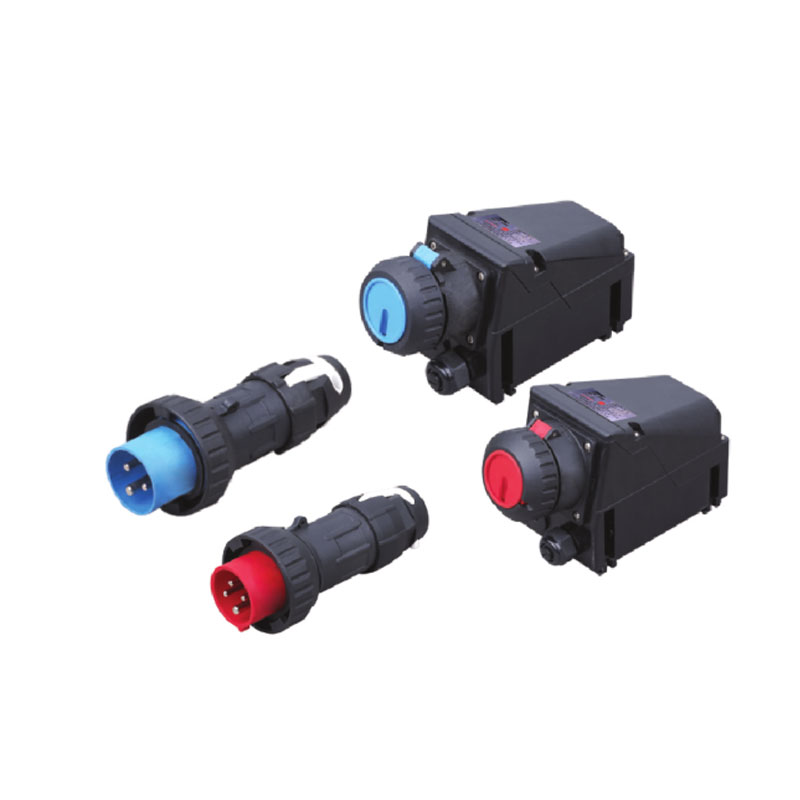
In chemical plants, an Ex zone is a classified area where an explosive atmosphere may occur due to flammable gases, vapors, mists, or dusts. The purpose of zoning is not theoretical—it directly determines what electrical equipment can be installed, how it must be certified, and how maintenance teams can work safely.
At MAM, we treat How Chemical Plants Define Ex Zones — and the Electrical Equipment Required as a risk-engineering workflow, not just a labeling exercise. The practical outcome is simple: the right zone classification prevents wrong equipment selection, reduces downtime, and avoids costly non-compliance.
A correctly defined hazardous area helps businesses:
To solve the problem efficiently, we usually follow a structured method based on site data, process hazards, and international standards such as IEC 60079, ATEX 2014/34/EU, and relevant DIN and ASTM procedures where applicable.
We begin with every potential source of flammable release:
We document whether the release is continuous, primary, or secondary. This is the foundation of hazardous area classification for chemical plants.
The next step is to determine how often and how long the explosive atmosphere may exist.
Typical classification logic includes:
For dust hazards, the logic is similar:
This step is critical because equipment selection follows the zone, not the other way around.
Ventilation can reduce the extent of a hazardous area, but only when it is measurable and reliable. We review:
In field projects, we often see one common mistake: assuming “open air” means “safe.” In reality, poor dispersion around pipe racks or under skids can extend the hazardous boundary significantly.
We then convert the findings into a zone map showing:
This map becomes the basis for procurement, installation, and inspection.
A good classification is always checked against actual operations and documentation. We review:
This is where expertise matters most. A classification that looks acceptable on paper can fail in the field if the process changes later.
Once the area is classified, the electrical equipment required becomes much easier to define. In practice, ex electrical equipment must match the zone, gas group, temperature class, and protection concept.
Zone 0 means an explosive atmosphere is present continuously or for long periods. Equipment must provide the highest level of protection.
Typical solutions include:
We do not recommend ordinary industrial devices in Zone 0, even if they appear robust. Certification and system design are non-negotiable.
Zone 1 requires equipment designed for areas where explosive gas atmospheres are likely during normal operation.
Common equipment types:
This is where MAM ex electrical equipment selection often saves the most time, because the correct protection concept can be matched to the process duty from the start.
Zone 2 is less severe, but it still requires certified equipment with appropriate protection.
Typical options:
Even in Zone 2, low-cost substitutions can create major compliance problems. We always verify nameplates, certificates, and installation instructions before release.
The fastest way to avoid selection mistakes is to use a clear matrix. Below is a practical reference we use when planning How Chemical Plants Define Ex Zones — and the Electrical Equipment Required.
| Ex Zone | Atmosphere Frequency | Typical Protection Concept | Common Equipment | Key Check |
|---|---|---|---|---|
| Zone 0 | Continuous / long periods | Ex ia | transmitters, sensors | loop integrity, entity parameters |
| Zone 1 | Likely in normal operation | Ex d, Ex e, Ex ib, Ex p | motors, lights, JB, solenoids | gas group, T-class, IP rating |
| Zone 2 | Unlikely / short duration | Ex n, Ex e, Ex ic | luminaires, control boxes | certificate validity, ambient range |
| Zone 20 | Continuous dust cloud | dust-tight protection | instrumentation, actuators | dust ingress, surface temp |
| Zone 21 | Likely dust atmosphere | Ex tb, Ex eb | panels, lamps, motors | dust layer temp, enclosure integrity |
| Zone 22 | Rare dust atmosphere | dust-protected equipment | terminals, local controls | cleaning interval, sealing |
To keep procurement efficient, we recommend a 100% inspection review before purchase release. That includes documentation and physical compatibility checks.
This process is especially important for ex electrical equipment, where one mismatch can invalidate the installation.
When zone classification and equipment selection are done correctly, the results are measurable.
We typically see:
For chemical plants, the biggest benefit is operational confidence. A correctly engineered hazardous area classification reduces uncertainty during maintenance shutdowns, FAT/SAT, and periodic inspections.
Even with good standards, projects can face predictable issues.
If P&IDs or operating conditions are missing, the zone map can be inaccurate.
How we solve it:
Different suppliers may reference different certification schemes or marking formats.
How we solve it:
A general-purpose component can accidentally be installed in a hazardous area.
How we solve it:
Many compliance issues come from accessories, not the main equipment.
How we solve it:
To execute How Chemical Plants Define Ex Zones — and the Electrical Equipment Required efficiently, we recommend a practical toolkit:
For engineering teams, a centralized data pack saves time and reduces errors. For procurement teams, a single approved equipment list prevents repeated vendor clarification.
At MAM, we focus on dependable hazardous area solutions, not just product supply. Our approach combines engineering review, certification awareness, and practical application support.
We help customers with:
If your project needs ex electrical equipment with reliable certification control, we help reduce the risk of design error and installation delay.
To move forward immediately, we suggest this workflow:
If you follow these steps, you can turn a complex hazardous area project into a controlled, repeatable process.
When we define Ex zones correctly, we solve the core problem at the source: we prevent the wrong equipment from entering a hazardous atmosphere. That is why How Chemical Plants Define Ex Zones — and the Electrical Equipment Required should always be handled as an integrated engineering task.
At MAM, we recommend a disciplined sequence: identify the release, classify the zone, select the correct ex electrical equipment, verify certification, and inspect every accessory before commissioning. With the right method, the process becomes simpler, safer, and far more efficient.
If you are planning a new plant, a retrofit, or a compliance audit, now is the right time to act. A precise zone map, a verified equipment list, and a strong documentation trail will protect your operation and improve long-term reliability.