EN
EN CN
CN RU
RU


Explosion-Proof Electrical Equipment Overview for Offshore Drilling Platforms
Offshore drilling platforms operate in some of the harshest and most dangerous industrial environments in the world. Constant exposure to saltwater corrosion, flammable gases, extreme weather, and continuous heavy-duty operations makes electrical safety a top priority for offshore facilities.
To ensure operational reliability and personnel safety, offshore platforms rely heavily on certified explosion-proof systems and hazardous area electrical technologies. Modern offshore projects increasingly demand complete Ex Electrical Equipment solutions that comply with global hazardous area standards while supporting automation, communication, monitoring, and power distribution requirements.
This article provides an overview of explosion-proof electrical equipment used on offshore drilling platforms, the key protection requirements involved, and why hazardous area compliance is critical for offshore energy operations.
Offshore oil and gas production environments contain large volumes of flammable hydrocarbons, combustible vapors, and explosive gases. During drilling, refining, storage, and transfer operations, ignition sources must be strictly controlled to prevent catastrophic accidents.
Typical hazardous areas on offshore platforms include:
● Drilling modules
● Mud processing systems
● Wellhead areas
● Pump rooms
● Fuel storage zones
● Compressor stations
● LNG transfer systems
● Chemical injection skids
Because these environments continuously handle volatile substances, offshore facilities are generally classified under:
● Zone 1 hazardous areas
● Zone 2 hazardous areas
● Class I Division 1
● Class I Division 2
Conventional industrial electrical products are not suitable for offshore hazardous environments.
Electrical equipment installed offshore must withstand:
● Corrosive saltwater exposure
● Explosive gas atmospheres
● High humidity
● Extreme temperature changes
● Mechanical vibration
● Continuous operation cycles
● Harsh marine weather conditions
This is why offshore drilling platforms use specially designed explosion-proof systems built according to hazardous area protection standards.
Modern offshore facilities rely on Ex Electrical Equipment designed to contain internal explosions and prevent ignition from spreading into surrounding hazardous atmospheres.
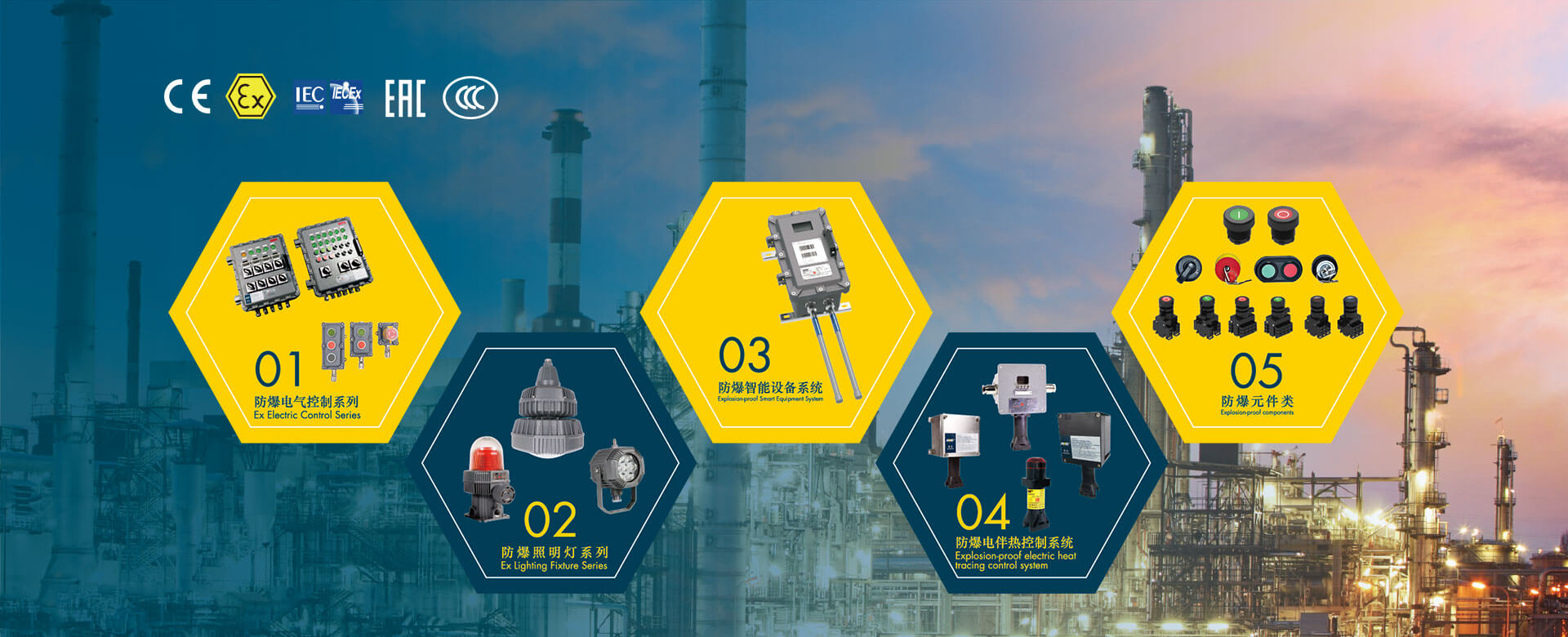
Offshore drilling operations require a wide range of hazardous area electrical products to support power distribution, automation, communication, lighting, and process control systems.
Explosion-proof control panels are among the most important systems used offshore. These panels manage:
● Pump control
● Motor operation
● Valve automation
● Drilling equipment monitoring
● Emergency shutdown systems
● Process automation
Offshore-grade control panels are typically designed with stainless steel enclosures, corrosion-resistant coatings, and hazardous area certifications.
Explosion-proof junction boxes are used extensively throughout offshore facilities for cable connection and power distribution.
They provide protection against:
● Electrical arcing
● Moisture ingress
● Corrosion damage
● Gas ignition risks
Offshore junction boxes are commonly manufactured using stainless steel 316L or marine-grade aluminum for improved corrosion resistance.
Explosion-proof LED lighting systems are essential for safe offshore operations.
These lighting systems are installed in:
● Walkways
● Helidecks
● Processing areas
● Engine rooms
● Storage facilities
● Offshore accommodation modules
Marine hazardous area lighting systems are designed to maintain visibility while preventing ignition in explosive gas environments.
Cable glands and hazardous area connectors maintain enclosure sealing integrity while preventing gas migration through cable entry points.
These components play a critical role in offshore electrical safety because even minor sealing failures may compromise hazardous area protection.
Modern offshore facilities increasingly use explosion-proof communication equipment including:
● Ex telephones
● Ex intercom systems
● Ex signal devices
● Hazardous area networking systems
● Emergency communication stations
These systems improve operational coordination and emergency response capability across offshore platforms.
One of the biggest engineering challenges for offshore electrical systems is corrosion.
Saltwater environments accelerate deterioration of standard industrial equipment. Offshore electrical products must therefore provide long-term resistance against:
● Salt spray
● Humidity
● Chemical exposure
● UV radiation
● Temperature fluctuations
Offshore hazardous area manufacturers commonly use:
● Stainless steel 316L
● Marine-grade aluminum
● GRP fiberglass enclosures
● Epoxy-coated surfaces
Corrosion-resistant materials significantly extend equipment lifespan and reduce maintenance costs in offshore environments.
Offshore drilling platforms must comply with strict international safety regulations and explosion protection standards.
Common offshore certifications include:
● ATEX
● IECEx
● UL
● CSA
● ABS
● DNV
● Lloyd’s Register
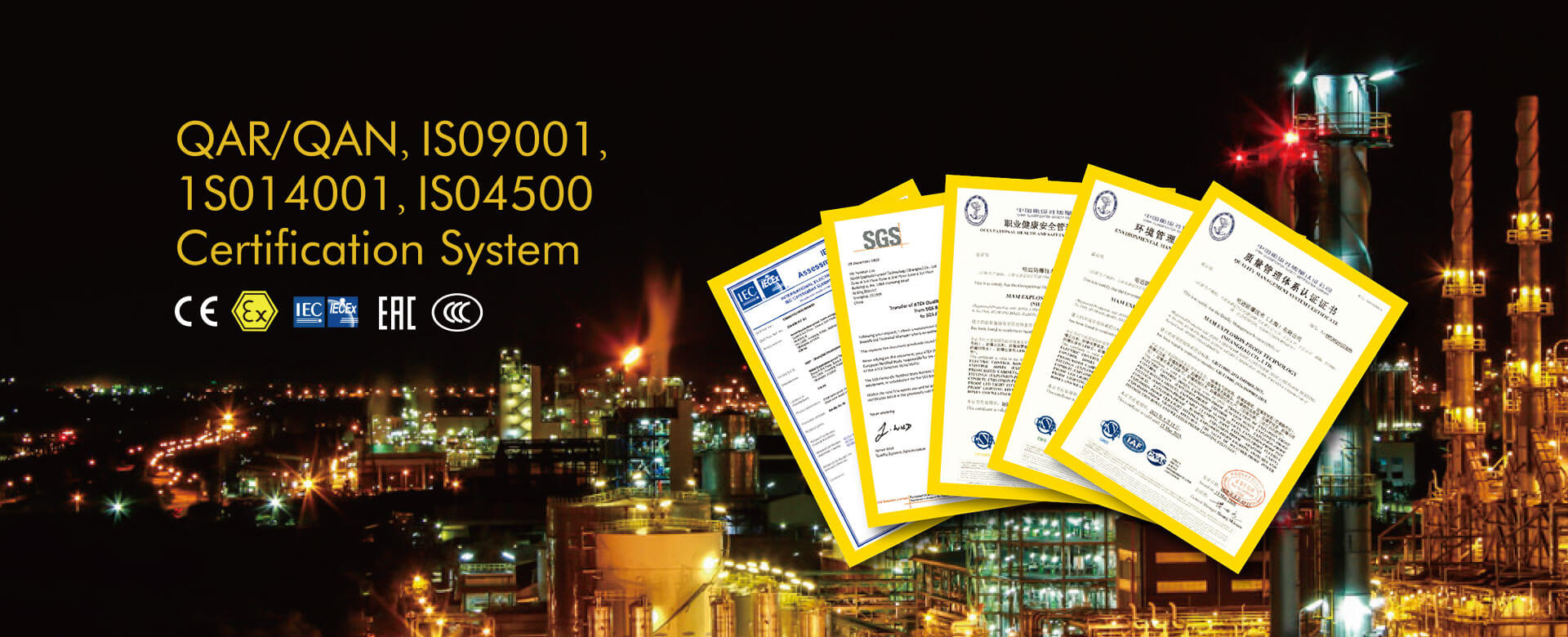
These certifications ensure that hazardous area equipment can safely operate in explosive offshore environments.
Modern Ex Electrical Equipment used offshore must also comply with:
● Temperature classification requirements
● Gas group compatibility
● IP protection ratings
● Marine environmental standards
Failure to meet certification requirements may result in project delays, safety violations, or operational shutdowns.
Offshore drilling operations are becoming increasingly automated.
Modern platforms now rely heavily on:
● PLC automation systems
● SCADA monitoring
● Remote diagnostics
● Intelligent sensors
● Predictive maintenance systems
● Digital control networks
As automation expands, the demand for integrated Ex Electrical Equipment continues to grow.
Hazardous area automation systems allow offshore operators to:
● Improve operational efficiency
● Reduce maintenance downtime
● Increase worker safety
● Monitor equipment remotely
● Optimize energy consumption
Modern offshore safety strategies no longer focus on individual components alone. Instead, operators increasingly implement integrated hazardous area electrical systems.
These systems combine:
● Explosion-proof control panels
● Hazardous area junction boxes
● Ex lighting systems
● Offshore cable management
● Explosion-proof communication equipment
● Remote monitoring technologies
Integrated offshore systems improve:
● Safety compliance
● System reliability
● Maintenance efficiency
● Emergency response capability
● Operational continuity
This system-level approach has become increasingly important as offshore facilities become larger, more complex, and more automated.
The offshore industry is rapidly evolving, creating new opportunities for advanced hazardous area electrical technologies.
Emerging trends include:
● Smart explosion-proof systems
● Remote offshore monitoring
● IoT-enabled hazardous equipment
● Energy-efficient Ex lighting
● Corrosion-resistant composite enclosures
● AI-based predictive maintenance
● Modular offshore electrical systems
As offshore operations move into deeper waters and harsher environments, the importance of reliable Ex Electrical Equipment will continue to increase.
Manufacturers capable of providing certified, corrosion-resistant, and automation-ready explosion-proof systems are expected to play a major role in the future of offshore energy infrastructure.
Offshore drilling platforms represent one of the world’s most demanding hazardous industrial environments. Maintaining electrical safety in these facilities requires highly specialized explosion-proof technologies designed for both hazardous area protection and long-term marine durability.
From explosion-proof control panels and hazardous area lighting systems to offshore junction boxes and integrated automation platforms, certified Ex Electrical Equipment forms the foundation of safe offshore operations.
As offshore projects continue to expand globally, demand for advanced hazardous area electrical systems will remain strong across Oil & Gas, LNG, marine energy, and offshore industrial applications.
For offshore operators, EPC contractors, and hazardous area engineers, selecting reliable explosion-proof electrical equipment is not simply a compliance requirement — it is a critical investment in operational safety, efficiency, and long-term project reliability.