EN
EN CN
CN RU
RU


Explosion-Proof LED Floodlight Specifications Decoded: Lumens, CCT, IP Rating, and More
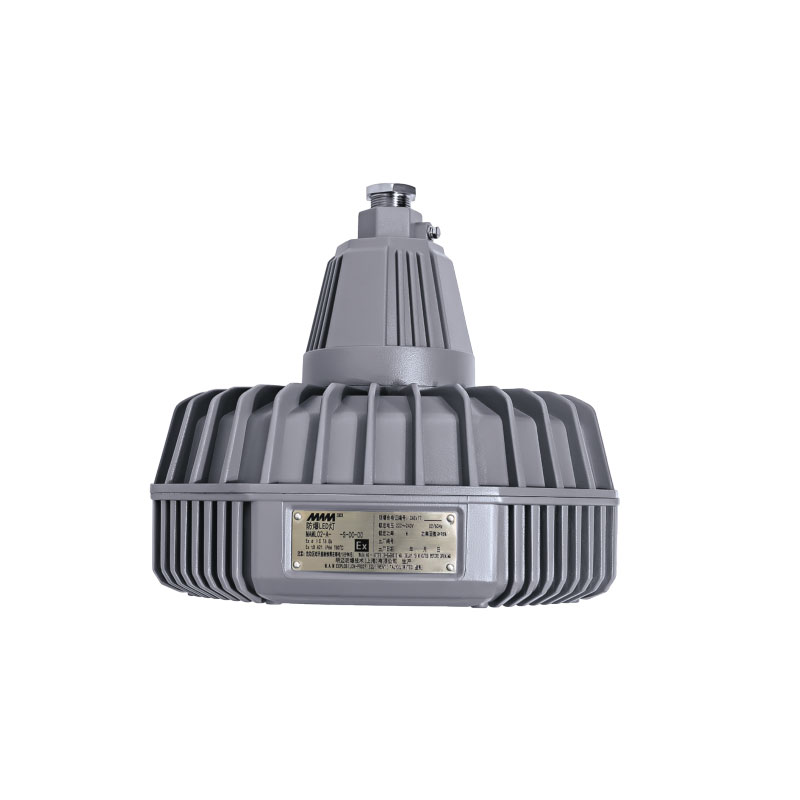
Explosion-proof floodlight selection is not just about brightness; it is about matching lumens, color temperature (CCT), ingress protection (IP), hazardous-location ratings, beam angle, thermal performance, and installation details to the real environment.
This article explains the key specifications of explosion-proof LED floodlights in a practical way, gives implementation steps, and includes SEO-friendly outlines you can use to build a high-performing English article.
It also covers frequently missed points such as certification differences, ambient temperature limits, maintenance planning, and photometric verification.
The explosion proof floodlight is a critical lighting solution for hazardous areas where flammable gases, vapors, combustible dust, or chemical exposure may be present. Choosing the right model is not a matter of picking the brightest fixture available. It requires understanding lumens, CCT, IP rating, beam distribution, certifications, operating temperature, and mounting conditions. If one specification is wrong, the result can be poor visibility, wasted energy, reduced service life, or even unsafe operation. This guide breaks down the essential specs in plain English and turns them into a practical decision-making process you can apply immediately.
Hazardous environments demand certified protection for ignition prevention, enclosure integrity, and thermal control.
Light output alone is not enough; the fixture must perform safely under real-world industrial conditions.
Specification errors can cause downtime, failed inspections, or inadequate illumination for workers and equipment.
Relevant standards and guidance include OSHA hazardous location rules, NEC/CEC classifications, and IEC/ATEX-style protection concepts depending on region.
Lumens measure total visible light output. This is the most direct indicator of how much light a floodlight produces.
Do not confuse lumens with watts. Watts measure energy use; lumens measure light output.
Implementation step: define the area size, mounting height, task complexity, and required lux level before choosing a lumen range.
Practical guidance:
Small task areas: lower lumen packages may be sufficient if mounted close.
Large yards, loading zones, or process areas: higher lumen output and optimized beam angle are usually required.
Actionable tip: ask for photometric files and lighting layout simulations instead of relying on catalog lumen claims alone.
CCT means correlated color temperature, usually expressed in Kelvin (K).
Lower CCTs, such as 3000K, appear warmer; higher CCTs, such as 5000K or 6500K, appear cooler and more daylight-like.
Industrial recommendation: many hazardous-area work zones benefit from 4000K–5000K because it improves contrast and visibility without being excessively harsh.
Implementation step: match CCT to the task:
Inspection and identification tasks: neutral to cool white
Long-duration work zones: neutral white for visual comfort
Harsh glare-sensitive environments: avoid overly high CCT unless justified
Important note: color rendering quality matters too. Look for a suitable CRI when color accuracy is important.
IP rating indicates protection against solid objects and water ingress.
The first digit refers to solids/dust protection; the second digit refers to moisture/water resistance.
For industrial outdoor or washdown areas, higher protection levels are often necessary.
Implementation step: evaluate actual site exposure:
Dust-heavy sites: prioritize strong dust protection
Outdoor rain exposure: prioritize water resistance
Washdown or frequent spray cleaning: choose appropriate higher water protection
Do not assume IP rating equals explosion protection. IP protection is about ingress, not ignition prevention.
This is one of the most important specifications for explosion-proof floodlights.
Depending on the region and application, look for approvals related to:
Class/Division systems
Zone systems
Gas groups
Temperature class (T-code)
Implementation step: confirm the exact hazardous area classification from the site safety team before purchase.
Supporting evidence: OSHA and NFPA/NEC-based hazardous-location frameworks require correct equipment selection based on the classification of the atmosphere and likelihood of hazard.
Beam angle determines how widely light spreads.
Narrow beams concentrate light on a target zone; wide beams distribute light over larger areas.
Implementation step: choose beam angle based on mounting height and area shape:
High mounting points: often need controlled beam spread
Open yards: wider coverage may reduce fixture count
Precision work areas: targeted beam control improves visibility
Actionable tip: request the IES photometric file and use layout software to avoid dark spots and over-lighting.
Efficacy shows how efficiently a fixture converts electrical power into light, usually in lm/W.
Higher efficacy can reduce operating cost, but only if safety, durability, and optical quality remain strong.
Implementation step: compare products on delivered light and real application performance, not only maximum lm/W claims.
Best practice: use efficiency as a decision factor after confirming certification, thermal design, and optical suitability.
Power factor indicates how effectively the fixture uses electrical power.
A quality driver helps improve reliability, dimming performance, and surge tolerance.
Implementation step: request driver specifications including:
Input voltage range
Surge protection rating
Dimming compatibility
Power factor
Why it matters: industrial sites often have electrical noise, voltage fluctuations, and long cable runs.
Explosion-proof luminaires must manage heat safely while maintaining certification limits.
High ambient temperature can reduce LED life and driver reliability.
Implementation step: check:
Maximum ambient temperature rating
Heat sink design
Material quality
Installation clearance requirements
Supporting evidence: industrial lighting reliability guidance from DOE and lighting industry white papers consistently emphasizes thermal control as a key factor in lumen maintenance and service life.
Hazardous sites may also be corrosive due to salt, moisture, chemicals, or outdoor exposure.
Implementation step: choose materials suited to the site:
Marine or coastal areas: strong corrosion resistance
Chemical plants: compatible sealing and housing materials
Food or washdown areas: easy-to-clean and sealed surfaces
Actionable tip: ask for salt-spray or corrosion test data if the environment is aggressive.
Even a high-spec floodlight performs poorly if installed at the wrong angle or height.
Implementation step:
Confirm mounting location and height
Check vibration exposure
Verify cable entry and sealing methods
Allow access for inspection and maintenance
Document the installation for safety audits
Best practice: use certified installers familiar with hazardous-location equipment.
Step 1: Identify the hazardous area classification.
Step 2: Define the required light level and area coverage.
Step 3: Select the right lumens and beam angle.
Step 4: Choose CCT based on visibility and task needs.
Step 5: Confirm IP rating for dust, rain, or washdown exposure.
Step 6: Verify explosion-proof certification and temperature class.
Step 7: Review thermal, driver, and corrosion performance.
Step 8: Request photometric and compliance documents before purchase.
Step 9: Plan installation, inspection, and maintenance procedures.
OSHA hazardous location guidance: useful for understanding workplace safety expectations in explosive atmospheres.
NFPA 70 (National Electrical Code): commonly referenced for hazardous location classification and equipment selection in the U.S.
DOE (U.S. Department of Energy): lighting efficiency and LED performance resources support lumen efficacy and maintenance planning.
IEC/ATEX-style standards: relevant in many international markets for explosion protection and zone-based classification.
Industry white papers from lighting manufacturers and testing organizations: useful for photometric analysis, thermal performance, and driver reliability insights.
Outline 1: Beginner’s Guide
What an explosion-proof LED floodlight is
Why specifications matter
How to read lumens, CCT, and IP rating
Certification basics
Buying checklist
Outline 2: Specification Deep Dive
Lumens vs watts
CCT selection for industrial sites
IP rating explained
Beam angle and photometrics
Thermal and driver quality
Outline 3: Compliance-Focused Article
Hazardous area classifications
Gas groups and temperature codes
Relevant safety standards
Documentation to request
Common compliance mistakes
Outline 4: Buying Guide for Industrial Buyers
Assessing site conditions
Selecting lumen output
Choosing IP and corrosion resistance
Comparing drivers and warranty
Total cost of ownership
Outline 5: Maintenance and Lifecycle Article
How long explosion-proof LEDs last
Inspection intervals
Cleaning and sealing checks
Failure signs to watch for
Replacement planning
Outline 6: Application-Based Article
Oil and gas facilities
Chemical plants
Grain handling and dust-prone sites
Marine and offshore locations
Outdoor loading and storage yards
Primary search intent: informational and commercial investigation. Readers want to understand the meaning of technical specs before choosing a product or comparing suppliers.
Content perspective 1: educational explainers that translate technical language into buyer-friendly terms.
Content perspective 2: industrial procurement guides focused on compliance, safety, and total cost of ownership.
Content perspective 3: application-based content showing how specifications affect lighting in oil, gas, chemical, and dust-risk environments.
Content perspective 4: SEO-focused product education that builds trust by discussing certifications, layout planning, and maintenance.
Introduction: define the explosion-proof floodlight and the importance of specification review.
Main body: explain lumens, CCT, IP rating, certification, beam angle, efficacy, thermal design, and materials.
Decision section: provide a step-by-step buying checklist.
Authority section: cite OSHA, NFPA, DOE, and relevant international standards.
Closing: summarize the selection process and encourage spec matching to the site classification.
explosion proof floodlight
explosion-proof LED floodlight
lumens
CCT
IP rating
hazardous location lighting
hazardous area certification
industrial floodlight
beam angle
corrosion-resistant lighting
IP rating is not explosion protection; both must be evaluated separately.
Certification must match the site classification, not just the product category name.
Ambient temperature limits can shorten lifespan or affect safety if ignored.
Photometric planning is essential for consistent illumination and energy savings.
Corrosion resistance matters in coastal, chemical, and washdown environments.
Driver quality and surge protection directly affect reliability in industrial installations.
To choose the right explosion-proof LED floodlight, start with the hazardous area classification, then verify lumens, CCT, IP rating, beam angle, certification, thermal performance, and corrosion resistance.
Use layout planning, authoritative standards, and installation best practices to ensure the fixture performs safely and efficiently.
If you treat specifications as a system instead of isolated numbers, you can build a safer, brighter, and more durable lighting solution for hazardous locations.